ADVANCING RHYTHMIC MOVEMENT AS PREVENTATIVE MENTAL HEALTHCARE
A MOVEMENT IN MOTION
Miles with Purpose teaches people how to experience stress, move through it, and recover—using structured rhythmic movement grounded in nervous system science.
Mental Health Systems are Overwhelmed

Stress-related disorders are rising across all age groups. Anxiety, depression, and burnout are no longer episodic—they are increasingly chronic, especially for young people navigating constant pressure and change. These challenges often emerge when our internal and external rhythms become overwhelmed or fall out of sync. Most systems respond after crisis, rather than building the skills needed beforehand.
Miles with Purpose focuses on prevention, helping young people develop awareness, regulate their nervous system, and build resilience through simple, rhythmic movement.
Through guided, repeatable practices, participants learn to recognize their stress response, regulate it in real time, and build the capacity to stay grounded under pressure.
These skills extend beyond the session, supporting long-term emotional stability, confidence, and resilience.

How We Work
Our approach is simple, structured, and grounded in how the nervous system learns—through repetition, rhythm, and real-time experience.
Rhythmic Movement
Patterned movement creates predictable physical rhythms that stabilize the nervous system.
Breath & Vocal Rhythm
Breathing patterns and controlled humming introduce internal rhythm regulation, supporting recovery and calm.
Shared Rhythm
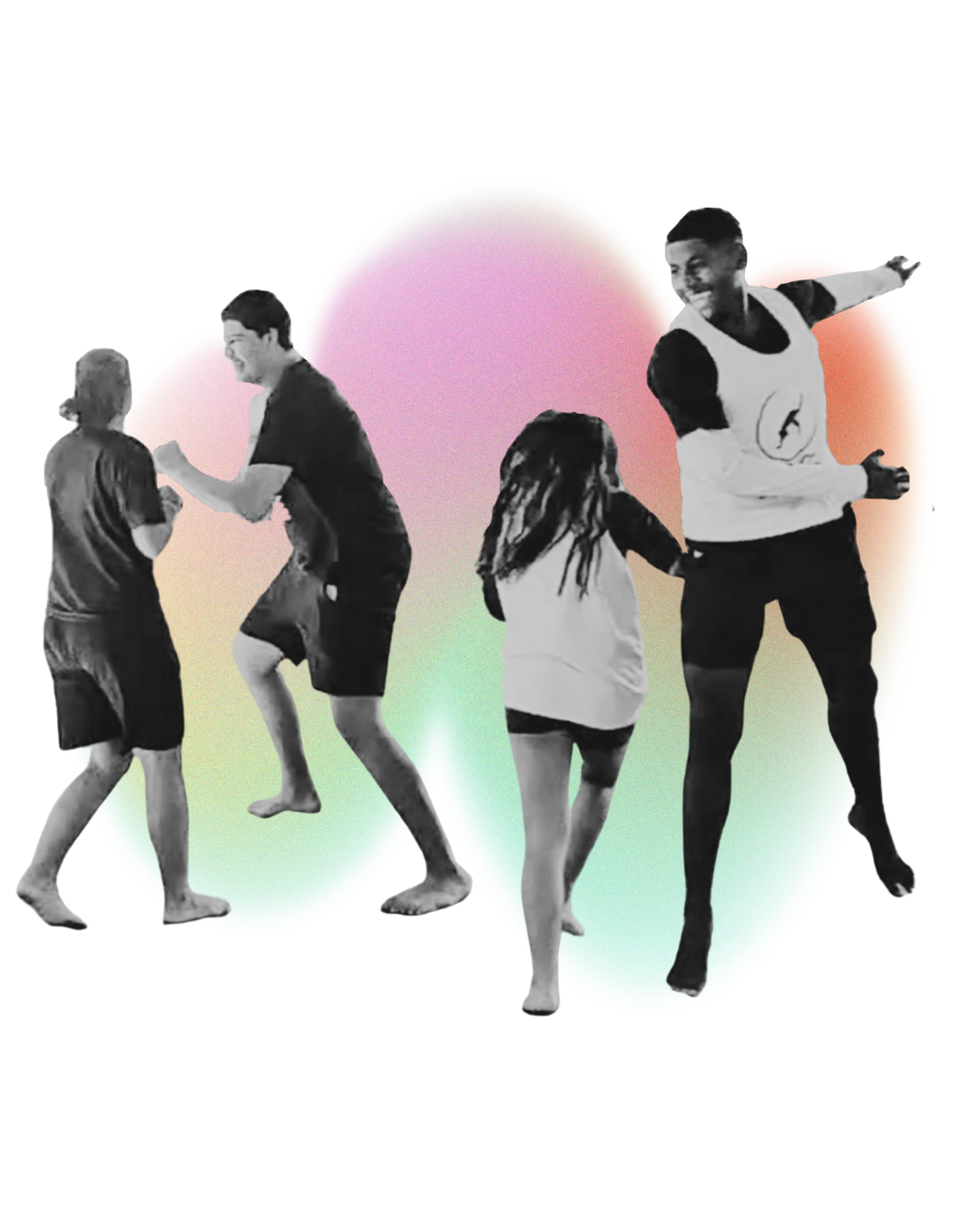
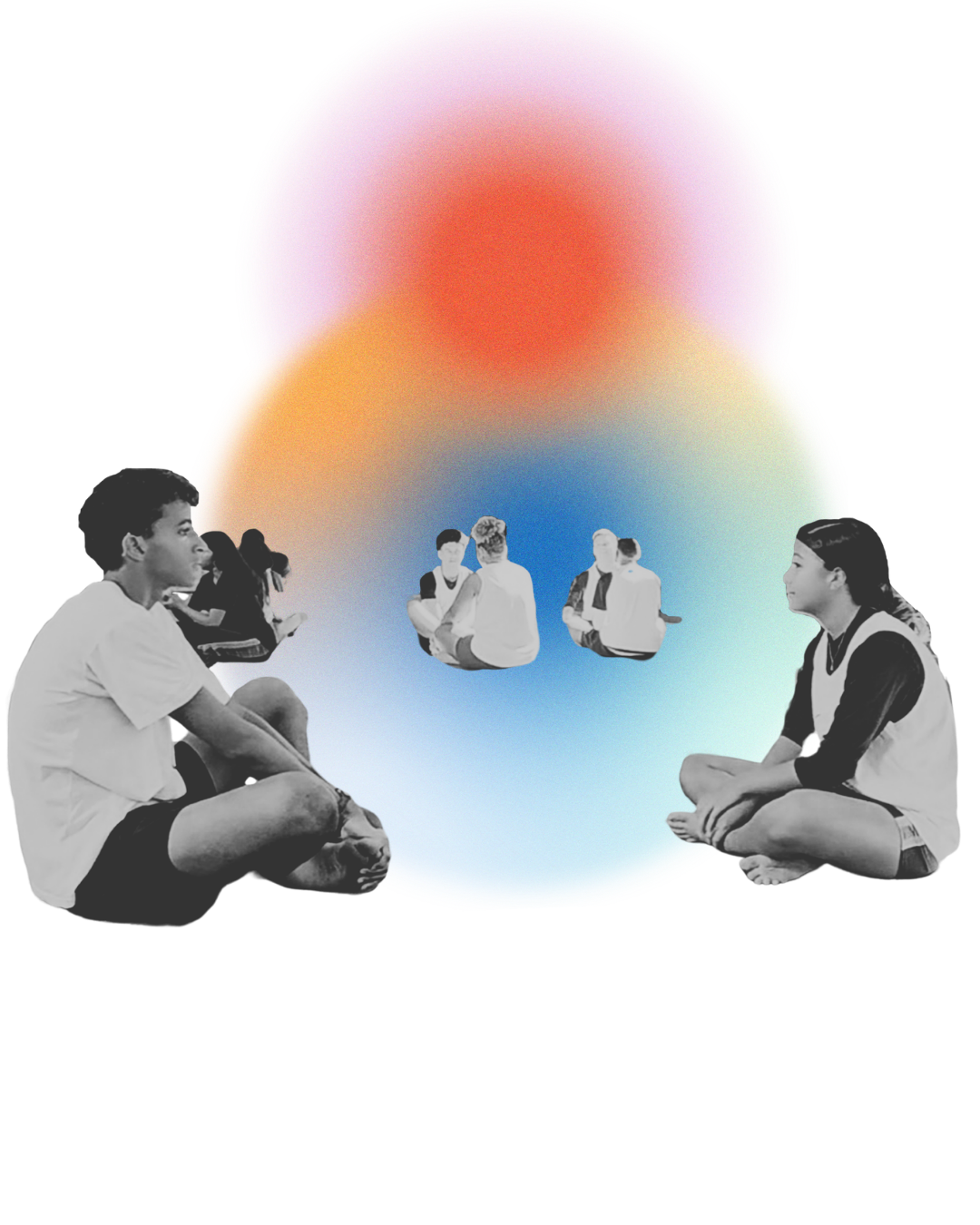
Group movement, pacing, and interaction create synchronization between people, strengthening connection and safety.
The T.E.M.P.O. Framework
A structured, rhythmic training program for the nervous system.
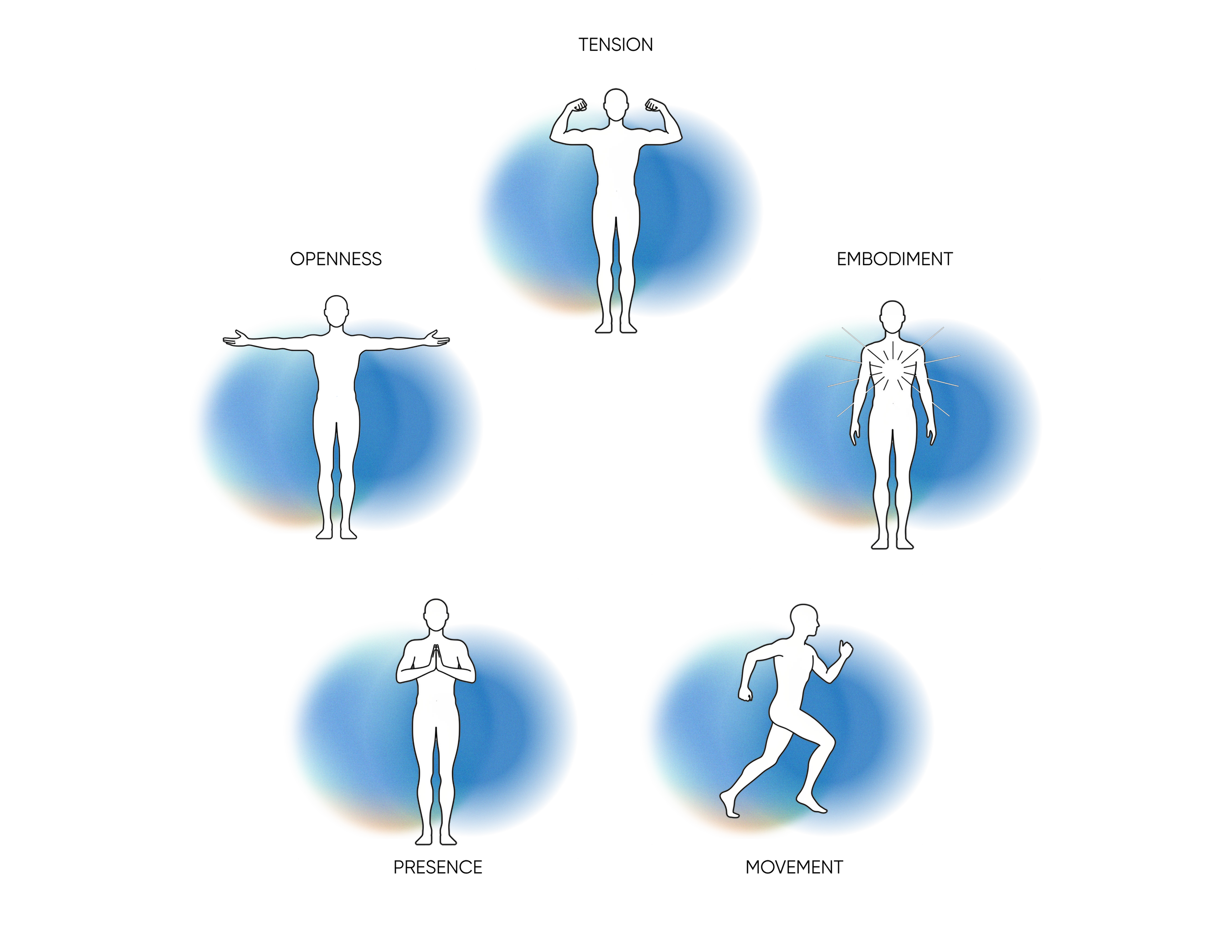
Tension
Controlled stress builds tolerance
Embodiment
Bring awareness to internal rhythms—breath, heartbeat, sensation
Movement
Rhythm regulates the brain
Presence
Stabilize and sustain rhythm under changing conditions
Openness
Connection strengthens resilience
Grounded in Science
The T.E.M.P.O. model integrates established research on how the body and brain respond to stress and recover through regulation. Our approach draws from key principles in neuroscience and physiology, translating them into simple, repeatable practices
Movement becomes measurable resilience training
We integrate research from:
Autonomic nervous system regulation — understanding how the body shifts between stress and recovery states
Interoceptive awareness — building the ability to sense and interpret internal bodily signals
Rhythmic entrainment — using repetition and rhythm to stabilize physiological and emotional states
Co-regulation and social buffering — leveraging connection and shared experience to support regulation and resilience
Resilience is rhythm. Community makes it sustainable.